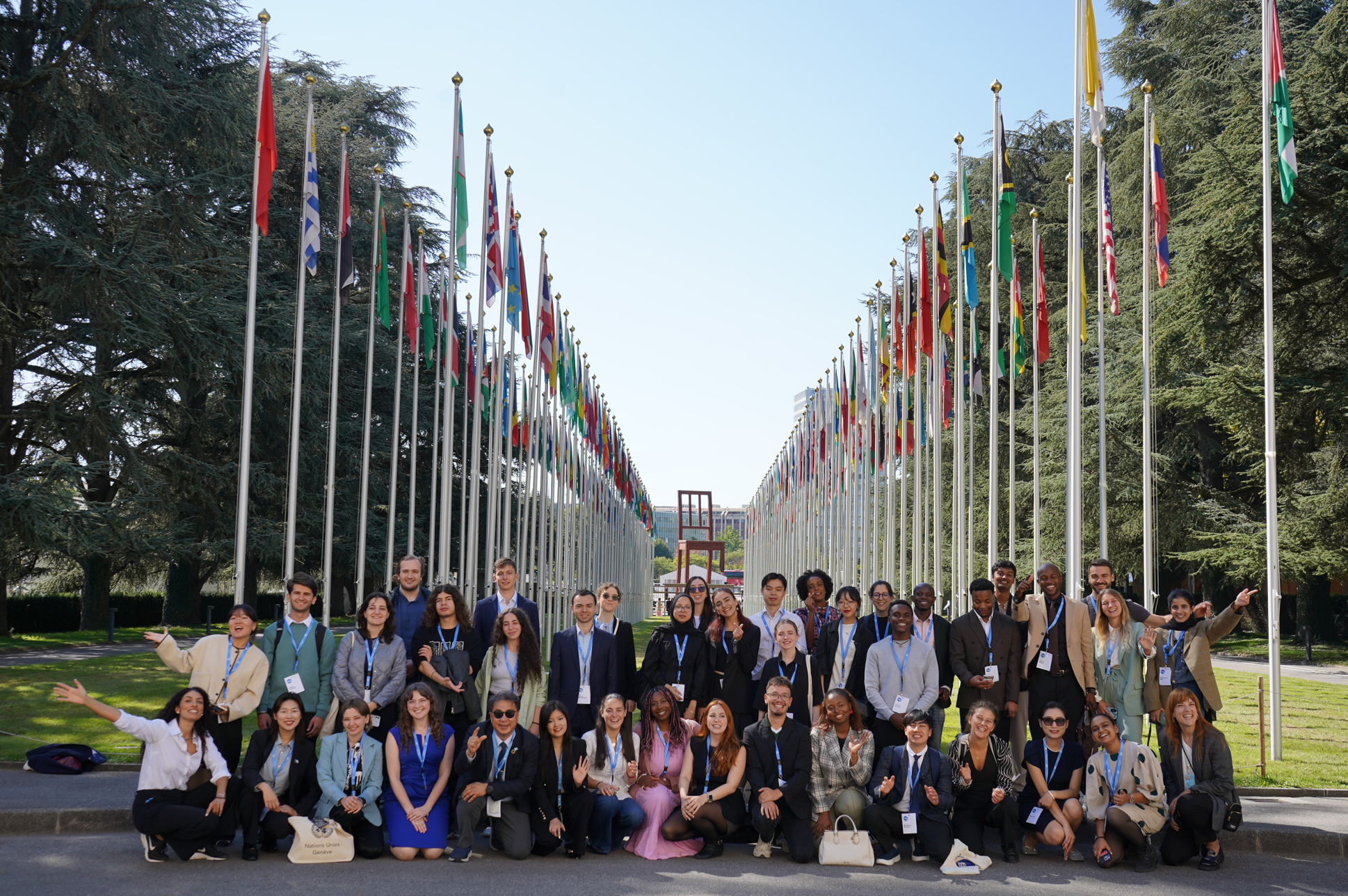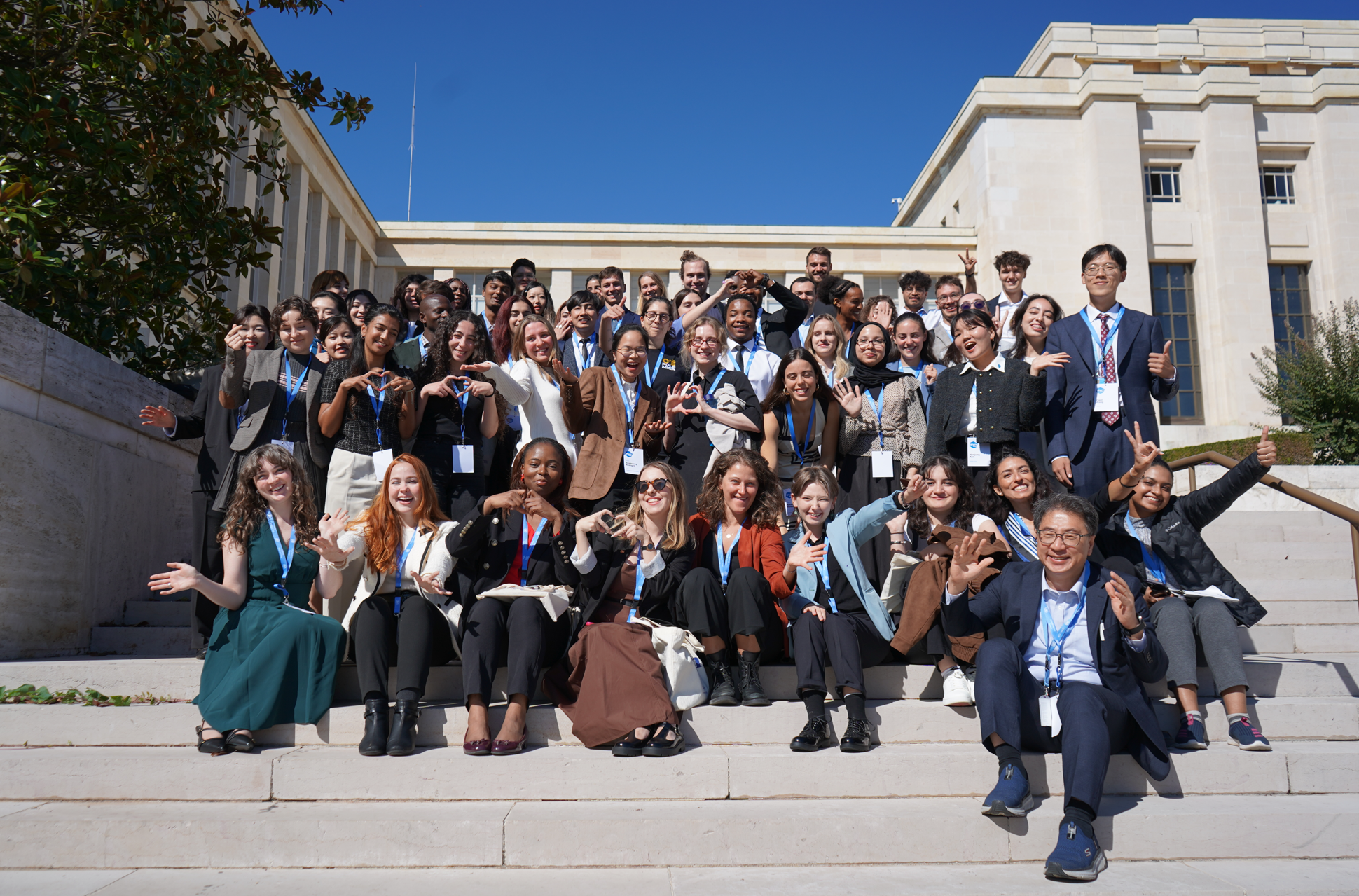
From 18 to 19 September 2025, 47 young leaders from across Europe gathered at the Palais des Nations in Geneva to participate in the IFWY (International Forum of the World’s Youth) European Regional Dialogue. Jointly hosted by United Nations Research Institute for Social Development (UNRISD), MBC, Hanyang University, and Eunpyeong-gu, with Debate Korea participating as a partner and the support of Geneva-based non-profit organisation SHAP SHAP, the event aimed to articulate the policy priorities of European youth with a focus on education, climate action, digital governance, equity, and accountability.
Formulation of Key Agendas through Scenario Analysis and Thematic Discussions
Participants engaged in a “random scenario challenge” analysing complex, multifaceted public policy cases such as digital inclusion, local governance, and environmental accountability. Despite diverse interpretations, all groups agreed on core principles: democratic oversight, accessibility, human-centred design, and legal feasibility. This thematic approach guided the youth in deriving concrete policy recommendations. Through an inclusive system granting equal speaking opportunities and time to all, Europe's youth were able to engage in collective and multifaceted discussions on the questions facing their regions.
Structural Incorporation of Proposals from the European Region
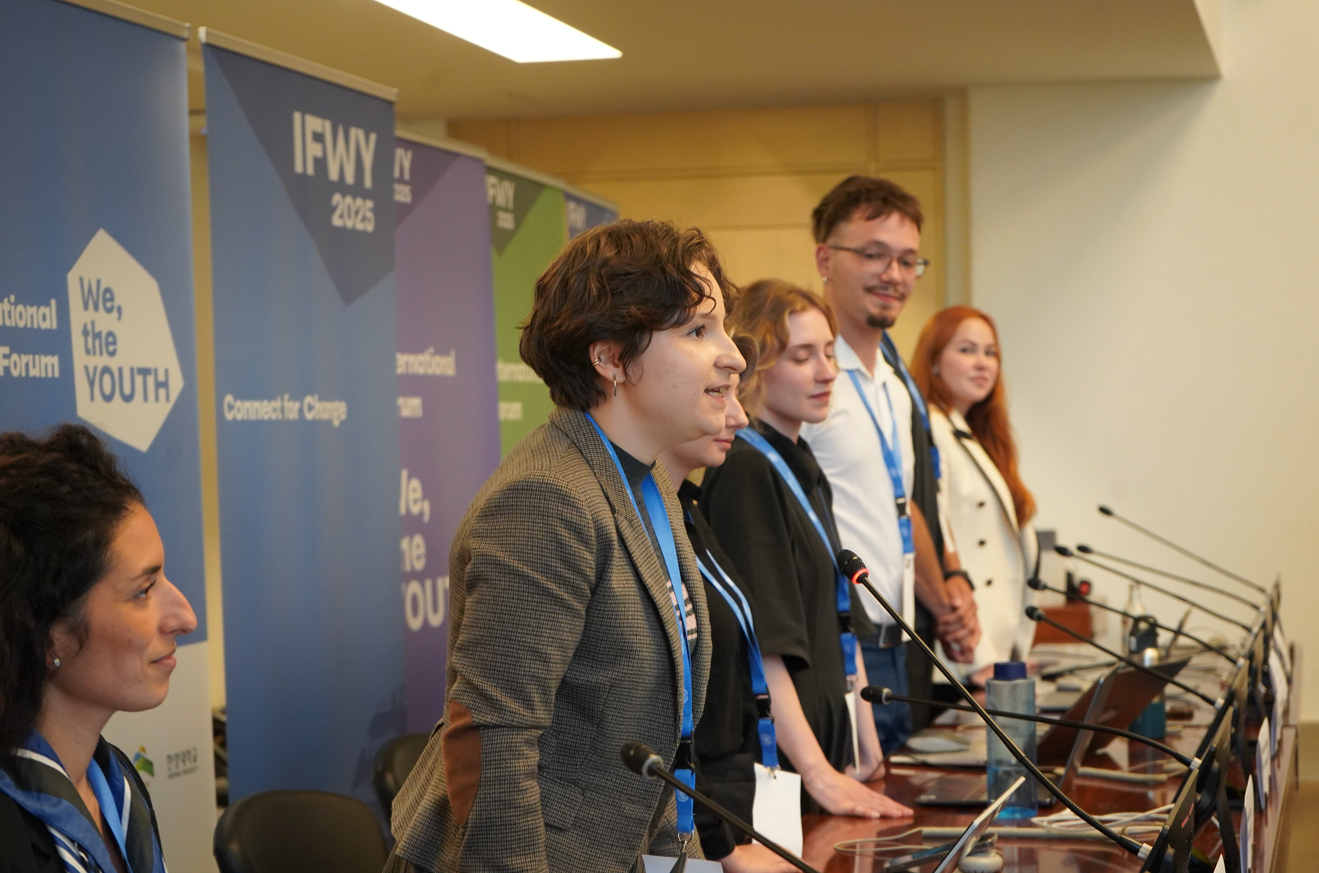
A central objective of the dialogue was to strengthen cross-border democratic cooperation and expand institutionalised youth participation within EU-level decision-making. Participants demonstrated that, when provided with a clear structure, meaningful speaking opportunities, and institutional recognition, they could generate evidence-based proposals and realistic long-term strategies.
As conversations on long-term planning, inclusion, climate justice, youth empowerment, and international cooperation progressed, participants examined Europe’s structural challenges and highlighted the need for intergenerational dialogue, stronger technology regulation, and deeper social solidarity. In the final session, they jointly drafted recommendations across three priority areas: educational innovation; enhanced representation of marginalised groups; and accountability for a sustainable future. Each proposal reflected Europe’s legal and institutional context, intersectional considerations, digital accessibility, and inclusivity—and underscored the urgency of timely Action.
Key Messages and Values Articulated by European Youth
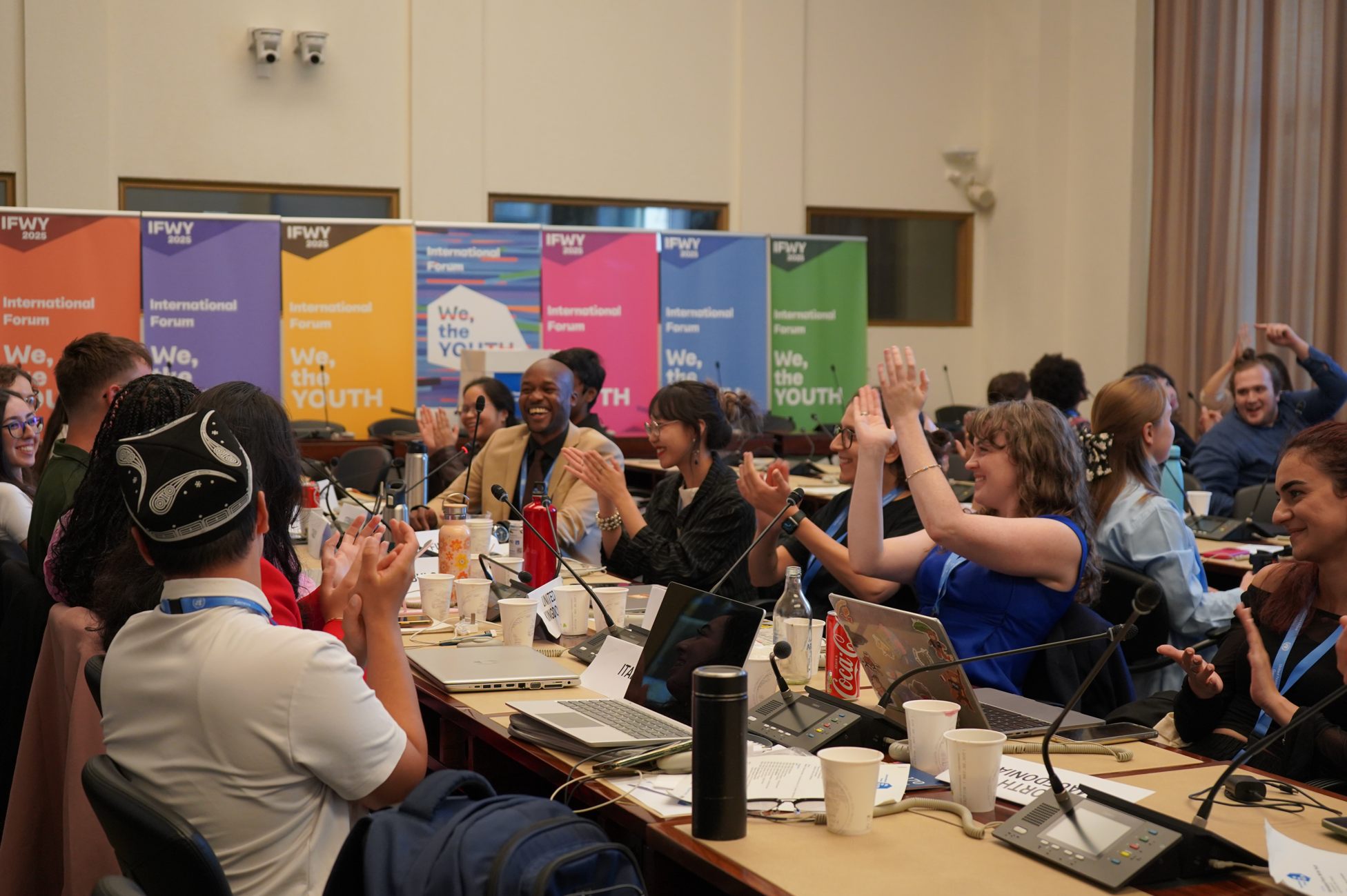
Through dialogue, it became abundantly clear that young Europeans recognise the protection of democracy, regulation of new technologies, and the resolution of structural inequalities as urgent policy priorities. The event concluded with participants emphasising that sustained and meaningful youth participation is essential for the development of effective public policy. Both participants and Facilitators confirmed that the IFWY platform is a key instrument for translating young people's perspectives into actionable change. Thus, the Europe Dialogue provided a major discussion for the IFWY initiative and served as a guidepost towards the next milestone.
Policy Outreach and Engagement with the EU Mission in Geneva
As a concrete follow-up to the dialogue, representatives of the European Regional Dialogue visited the European Union Mission in Geneva to present the outcomes and policy recommendations developed by participating youth. This engagement demonstrated the practical impact of the IFWY platform by directly connecting youth-led deliberations with EU-level policy stakeholders. The presentation highlighted how structured youth participation can generate evidence-based, realistic proposals relevant to ongoing discussions on democracy, digital governance, climate justice, and inclusion within the European context.
Key Priorities Identified by European Youth
Throughout the course of the event, from its opening to its conclusion, participants from the European region identified several key priorities that take into account regional needs, the significance of youth participation, and global accessibility. These priorities include the following:
• Protection and strengthening of democratic governance and accountability mechanisms
• Regulation of emerging digital technologies to ensure transparency, accessibility, and human-centred design
• Advancement of climate justice and environmental responsibility
• Innovation in education systems to promote equity and future-readiness
• Enhanced representation of marginalised and underrepresented groups
The Significance of the IFWY Europe Regional Dialogue
This event demonstrated the capacity of European youth to generate evidence-based, forward-looking policy contributions when provided with a clear structure, deliberative space, and institutional recognition. The resulting outcomes offer tangible reference points for European and global institutions seeking to strengthen youth participation in policy-making processes and advance a more inclusive and responsible future. Reflecting the will of a new generation deeply concerned with the IFWY's founding principles – safeguarding democracy, regulating new technologies, and addressing structural inequalities among diverse population groups – the European dialogue outcomes have established a successful foundation for the forthcoming IFWY Final Forum.