A Region Defined by Diversity Unites for Collective Vision
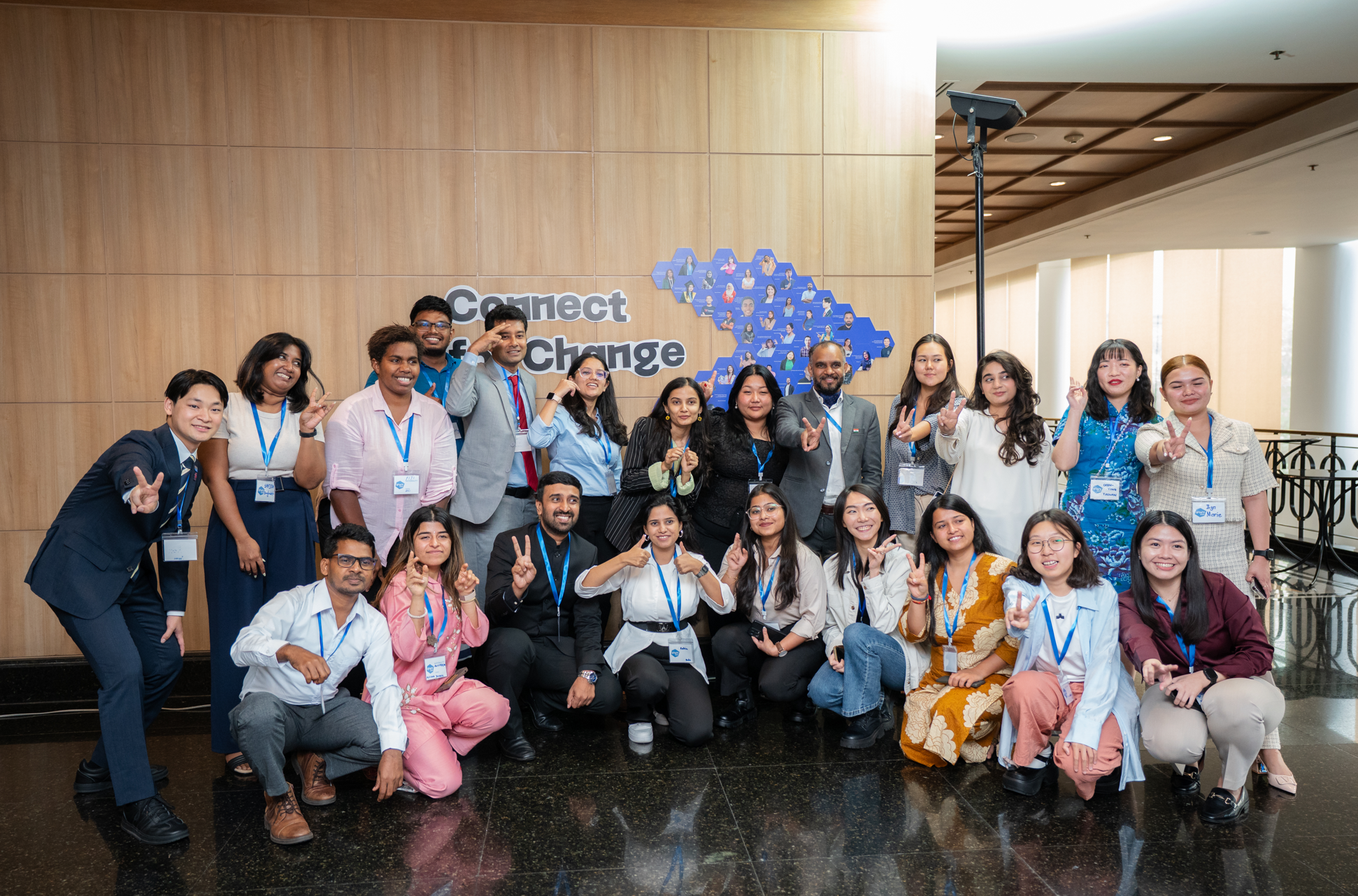
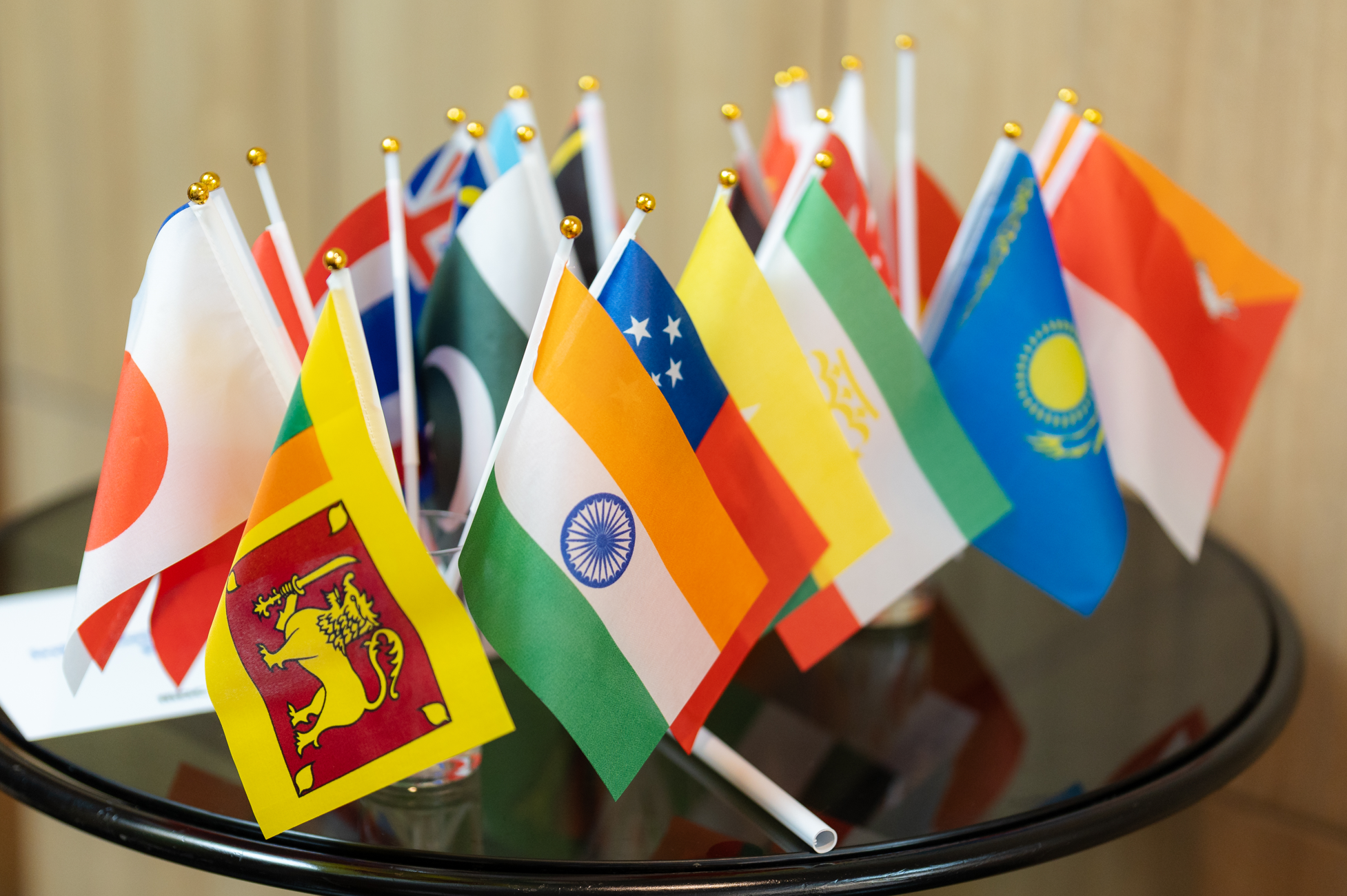
From 12 to 13 August 2025, fifty youth leaders from across South Asia, Southeast Asia, East Asia, Central Asia, and the Pacific gathered in Bangkok, Thailand, for the Asia-Pacific Regional Youth Dialogue under the International Forum “We, the Youth” (IFWY). Hosted at the Century Park Hotel and co-organised by ICA Asia-Pacific Committe), the United Nations Research Institute for Social Development (UNRISD), MBC, Hanyang University, and Eunpyeong-gu, with Debate Korea participating as a partner, the event brought together youth from Bhutan, China, Fiji, Iran, Jordan, Kyrgyzstan, Myanmar, Nepal, the Philippines, Vietnam, and more—forming one of the most culturally and geographically diverse youth delegations in the IFWY regional cycle.
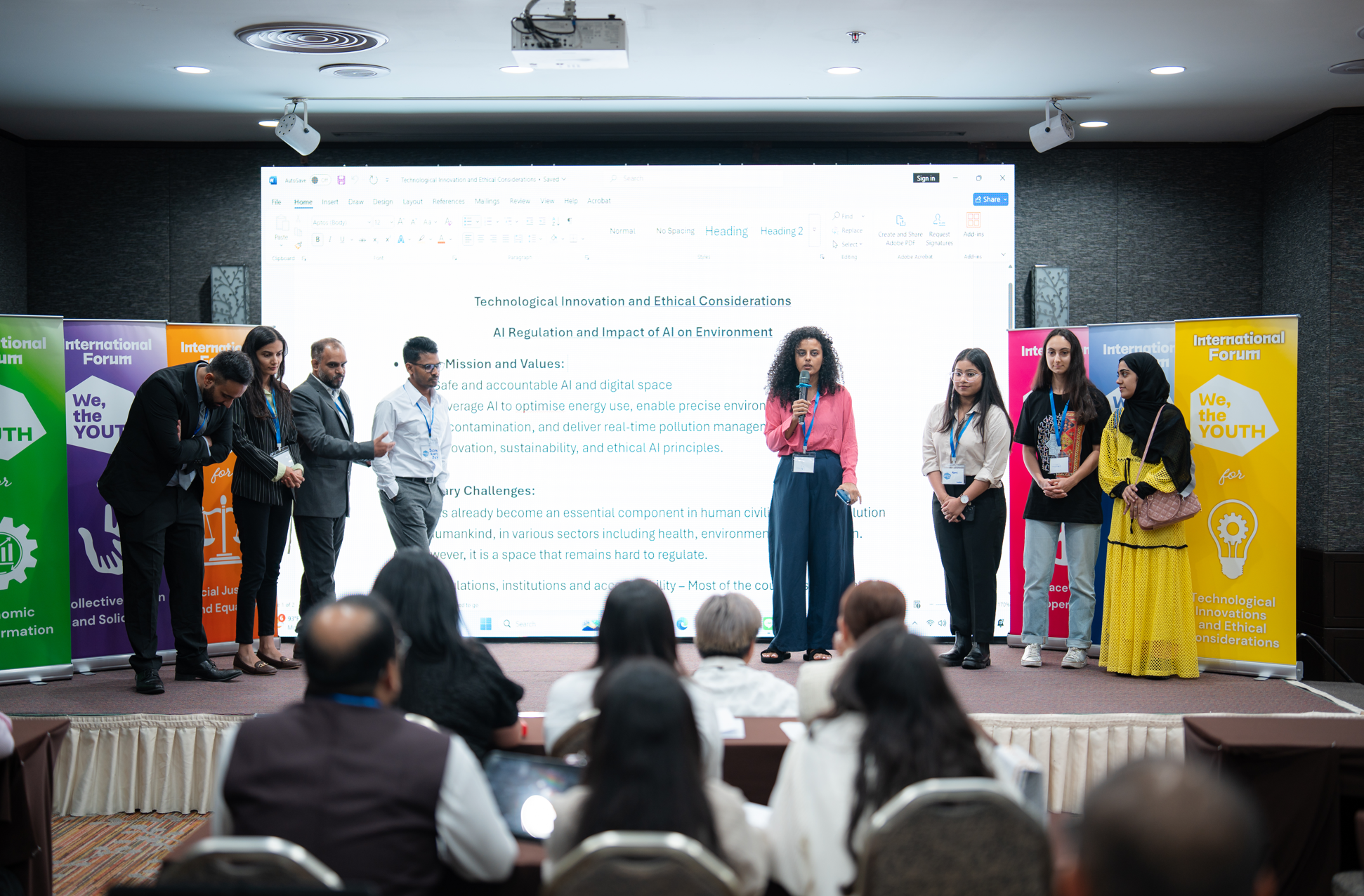
What distinguished the Asia-Pacific Dialogue was not only its diversity but the shared determination of the youth to bridge inequalities, navigate digital transitions, and confront climate risks through creativity and cooperative innovation.
Opening the Dialogue with the Spirit of “If We Connect for Change”
The dialogue commenced with an introduction to IFWY's bottom-up philosophy, urging participants to act not merely as observers but as co-creators of policy. Facilitators highlighted the region's strengths – its youth population, digital adaptability, and strong tradition of collaboration – challenging participants to translate these into actionable strategies for the region's future.
Youth leaders from rural areas, conflict-affected regions, island nations, and rapidly digitising cities found common ground in a core truth: Asia-Pacific youth were already driving change at the regional level or through their own chosen agendas. This dialogue served as a platform to amplify their ideas regionally.
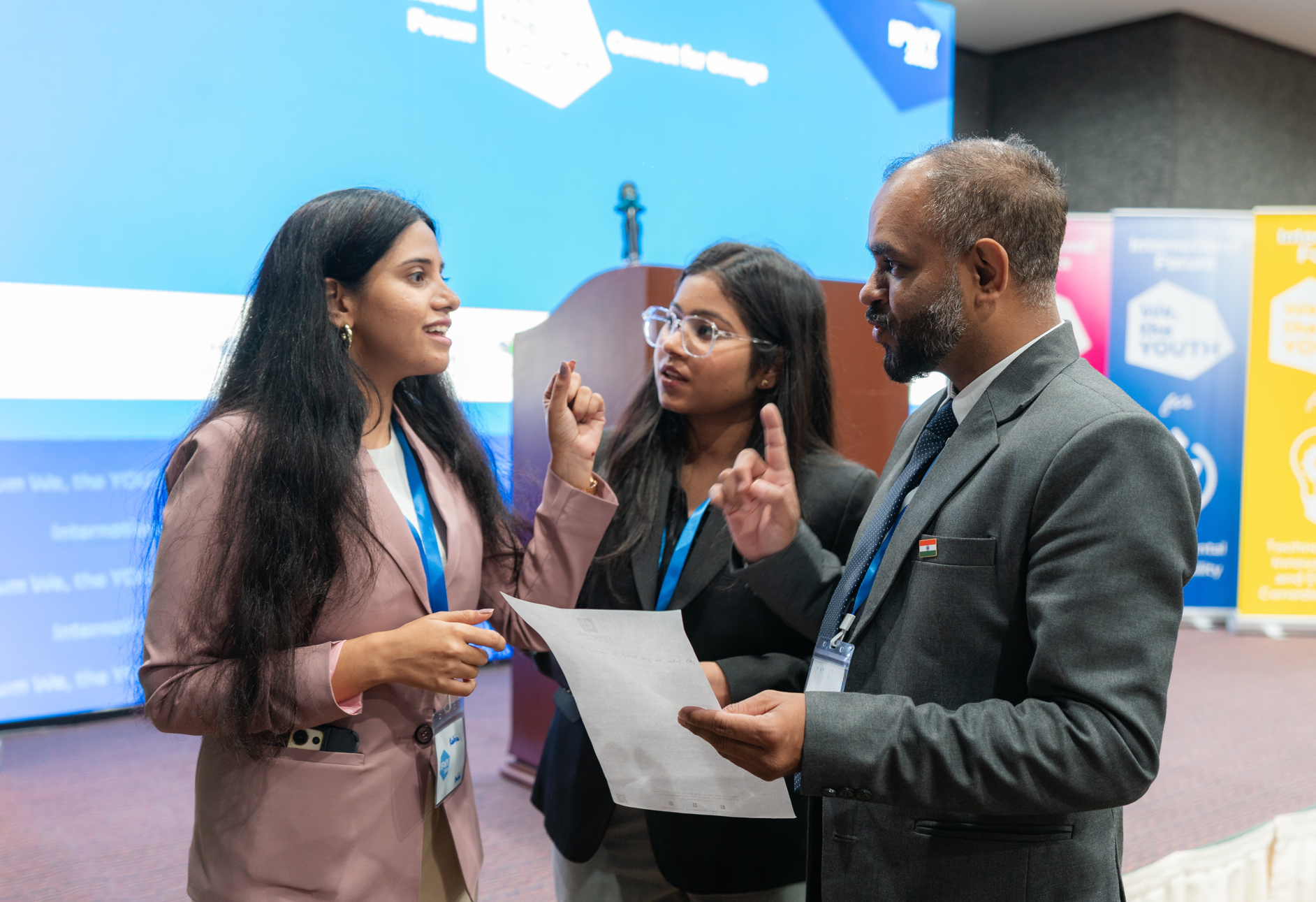
A Spirited Discussion for Showcasing Asia-Pacific Creativity
The Random Scenario Challenge revealed a distinct regional trait that the Asia-Pacific youth excel at imaginative, systems-level problem-solving when faced with uncertainty. Participants worked through fictional global crisis scenarios requiring quick analysis, coalition-building, and synthesis. Individually and collectively, the youth identified structural barriers and mapped stakeholders. This exercise highlighted:
• The Pacific Islands’ lived experience with climate crises,
• South Asia’s innovations in grassroots education,
• Southeast Asia’s digital entrepreneurship,
• East Asian capacity for rapid technological adoption,
• Central Asian cross-border cooperation traditions.