
A Regional Dialogue Shaped by Diversity and Bold Youth Leadership
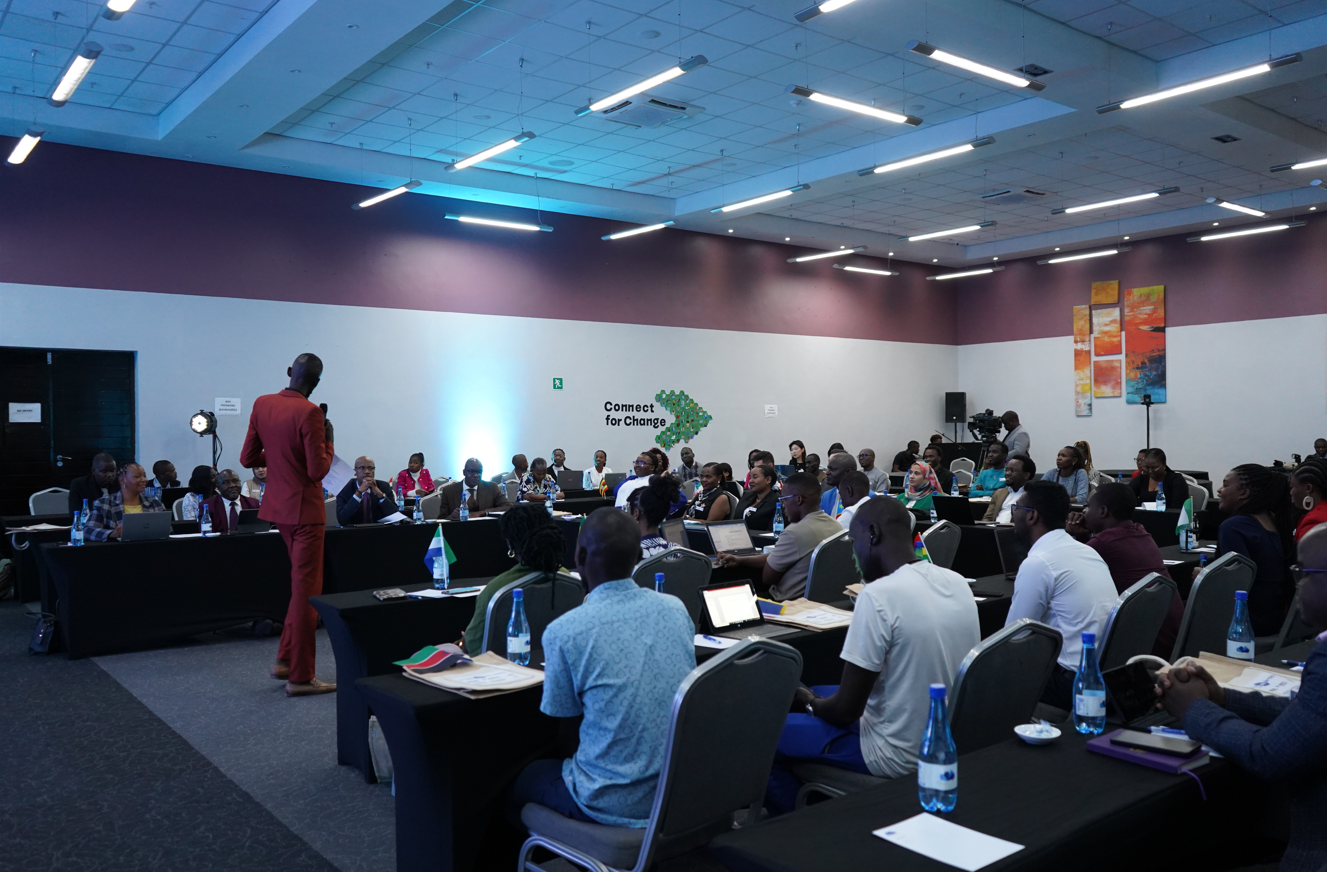
From 25 to 26 August 2025, fifty young leaders from across Africa and the Middle East gathered in Gaborone, Botswana, for the International Forum “We, the Youth” (IFWY) Regional Dialogue—an event distinguished not only by its scale, but by the breadth of cultural, linguistic and political diversity represented. Participants from more than 30 countries, spanning fragile states, climate-vulnerable nations, rapidly developing economies and established democracies, came together with a shared determination: to articulate the region’s priorities through youth-led, practical, and future-oriented solutions.
Hosted by the Government of Botswana and co-organised in partnership with ICA–Africa, the United Nations Research Institute for Social Development (UNRISD), MBC, Hanyang University, and Eunpyeong-gu, with Debate Korea participating as a partner, the dialogue provided a rare platform where young people confronted regional challenges—conflict, climate stress, governance constraints, unemployment—not as passive recipients of policy, but as creators of solutions shaped by their lived realities.
Opening with a Call for Continental Imagination and Cross-border Collaboration
Following the programme announcement, over 500 applications were received for the Africa and Middle East Dialogue. After the deadline, the Coordination Committee undertook a careful review to select the top 50 candidates to represent the Africa and Middle East Dialogue as catalysts. Consequently, candidates from Angola,
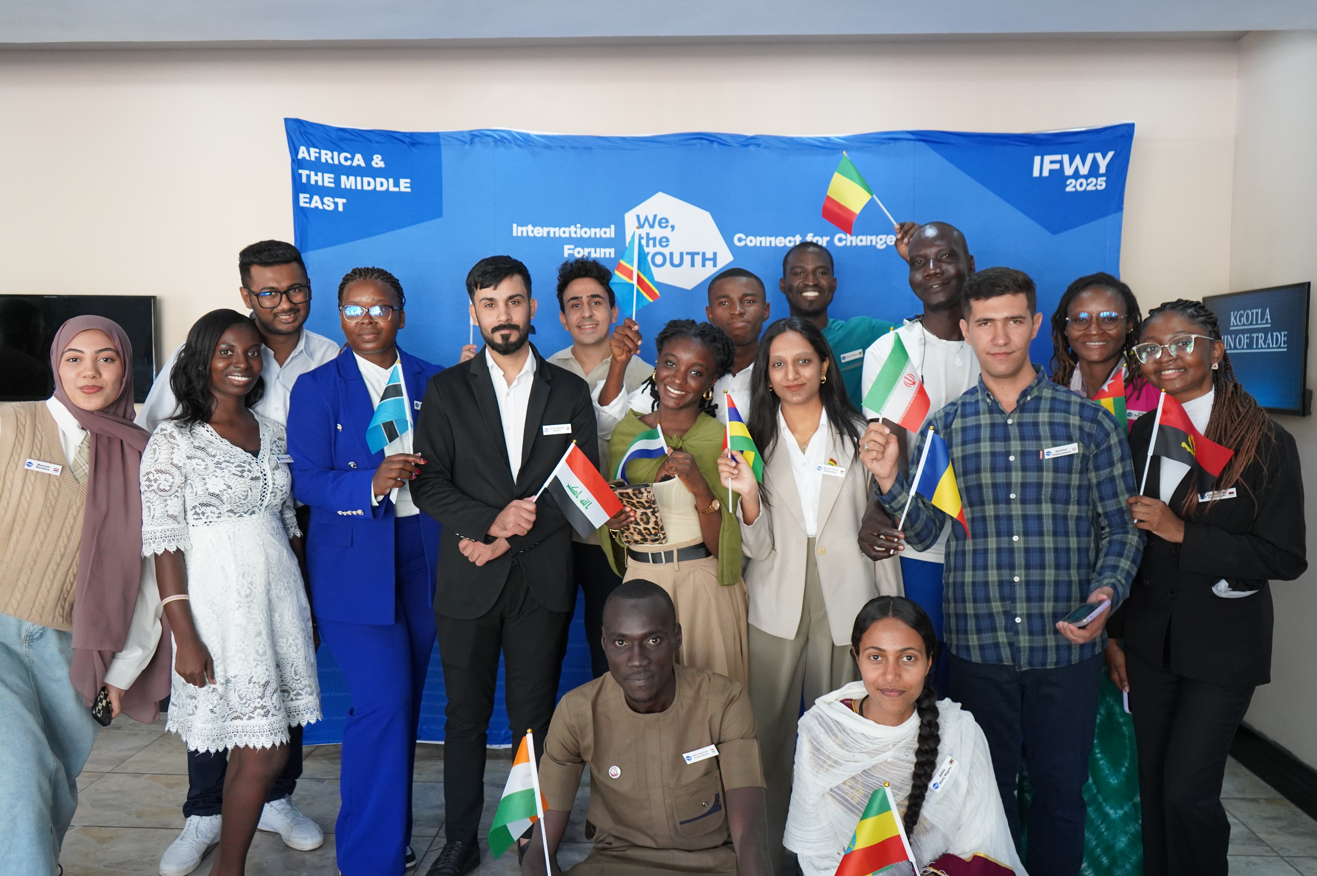
Botswana, Burundi, Cameroon, the Democratic Republic of the Congo (DR Congo), Ethiopia, Egypt, Guinea, Ghana, Iraq, Iran, Jordan, Kenya, Liberia, Lesotho, Madagascar, Mauritius, Morocco, Malawi, Mali, Nigeria, Niger, Rwanda, and South Africa. This diversity serves as one pillar provided by the Africa and Middle East Dialogue, which successfully demonstrates the IFWY initiative.
Government leaders at the official opening ceremony urged youth to see themselves not simply as representatives of their communities, but as innovators capable of reimagining the region’s trajectory. The youth were encouraged to move beyond national boundaries, envisioning collaboration between an app developer, a climate-tech innovator, a fashion entrepreneur and an AI specialist—symbolising the global scale of partnerships youth can forge.
Creative Problem-Solving Rooted in Youth Voice
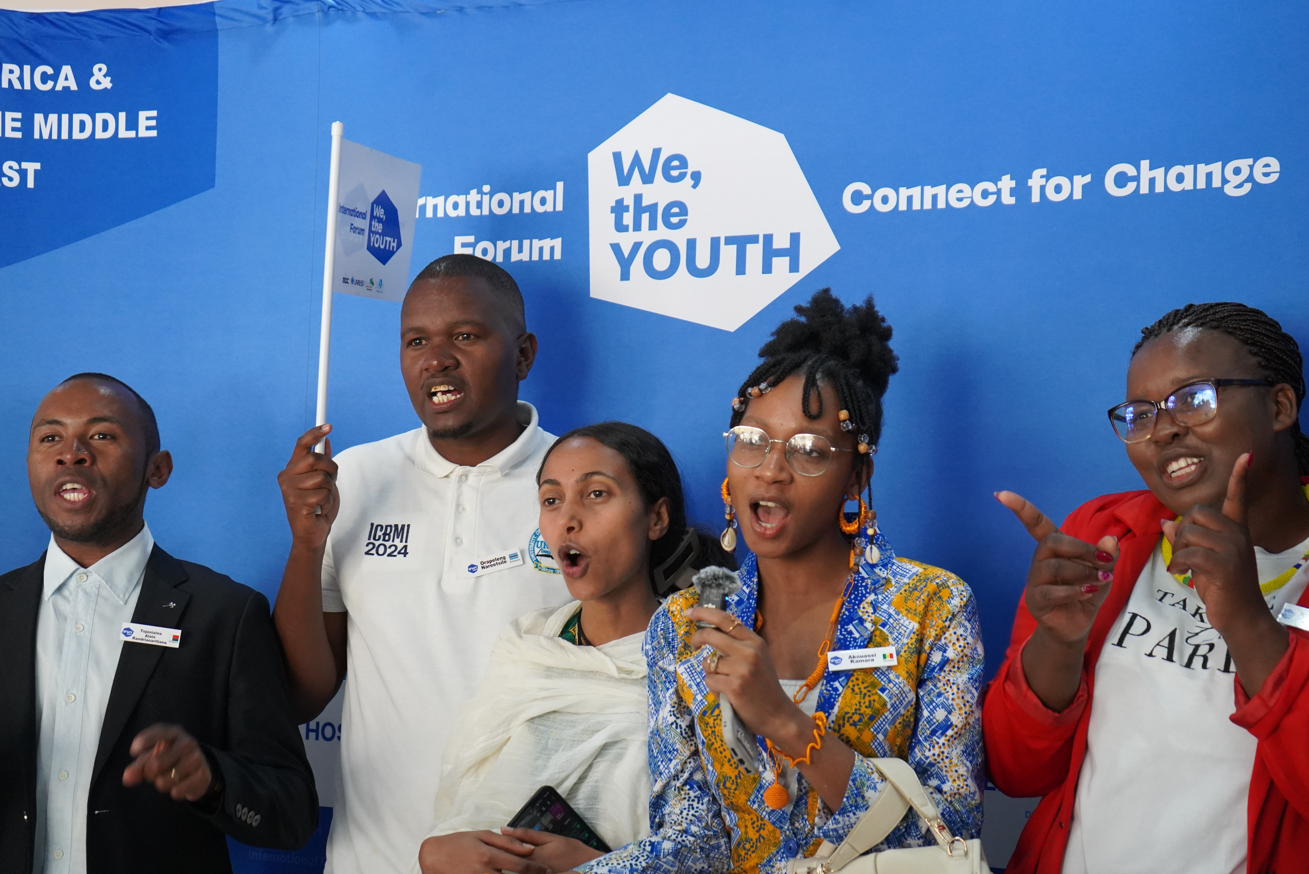
As part of Dialogue's programme, the Random Scenario Challenge saw the youth demonstrate their creativity even within constraints. Participants tackled problems reflecting real governance and development dilemmas – from resource scarcity to cultural preservation, urban overcrowding to community distrust – designing community-centred solutions while considering situational contexts. Drawing immediate inspiration from vivid local experiences, they reached consensus on:
• How post-conflict communities rebuild
• How the informal economy enables survival
• How traditional knowledge shapes environmental management practices
• How youth networks drive innovation within institutional constraints
The resulting policy proposals, uniquely shaped by the Africa-Middle East dialogue, were grounded in reality, collective in nature, and simultaneously resilient.
Key Priorities Identified by Youth Participants
Through the regional dialogue, youth participants identified a set of shared priorities reflecting the most pressing challenges and opportunities across Africa and the Middle East. The key priorities identified include;
• Expanding decent youth employment opportunities, including pathways beyond the informal economy
• Strengthening climate adaptation and environmental management through local and traditional knowledge
• Supporting post-conflict recovery, social cohesion, and community trust-building led by youth
• Promoting inclusive and accountable governance that meaningfully integrates youth voices
A Dialogue that Revealed the Region’s Most Powerful Resource: The Youth
Despite travel disruptions and a demanding schedule, the young participants' passion and resolve propelled the programme forward. A powerful truth emerged during discussions: rather than waiting to be granted leadership, young people across Africa and the Middle East have already demonstrated their capacity to shape the social, economic and environmental future facing their communities. Through the IFWY initiative, their ideas are now poised to contribute to the global dialogue, presenting regional visions grounded in resilience, ingenuity, cultural depth, and collective ambition.